Dispatch
Seven Mind Blowing Secrets About Rhinos You Likely Never Knew
These animals are truly remarkable yet tragically rare today. We have gathered a collection of captivating insights about them. These creatures remain some of the most impressive beings on the planet.
Crawford Mila
Rider
Desk note
Full dispatch and transfer tips sit below.
Line
Blue Line Walk
These animals are truly remarkable yet tragically rare today. We have gathered a collection of captivating insights about them. These creatures remain some of the most impressive beings on the planet.
Five Distinct Species Roaming the World
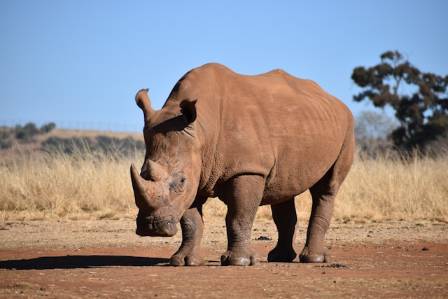
There are five unique varieties of these animals currently in existence. The group includes white, black, greater one horned, Sumatran, and Javan types. People refer to the black and white varieties as the African group. You will find them inhabiting the African continent exclusively. South Africa contains the largest population of white individuals with nearly eighteen thousand living in the wild. The other three distinct species live across various regions of Southeast Asia.
Biological Composition of Their Massive Horns
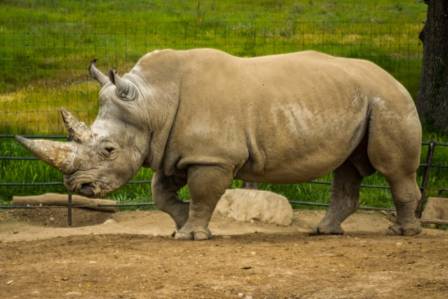
Their horns consist entirely of keratin. This is the exact same protein found in human fingernails and hair. The front section grows faster than the back. This causes the structure to curve forward naturally. These animals can actually regrow their horns if they lose them during fights. Black, white, and Sumatran varieties possess two horns each. Javan and greater one horned species only carry a single horn. The front horn of a black variety can reach over fifty inches in length. Javan varieties usually have much smaller horns averaging ten inches.
Complex Scent Based Communication Systems
These animals rely heavily on their sense of smell to interact. They use scent to mark their home ranges or speak to others. They often spray urine or feces on tree bark to establish ownership. They will consciously avoid areas containing the scent of a rival. Sometimes they discover a midden which is a large pile of rhino dung. They may walk through it and add their own waste to the pile. This bold action allows them to claim the territory for themselves.
Why They Adore Soothing Mud Baths
These animals possess incredibly thick and dark skin. They frequently require mud baths to remain healthy. The mud provides essential protection from the intense sun. It also shields them from irritating parasites. Keeping the skin moist is the most important benefit. The dried mud stays on the body for a long time. This layer helps them maintain a cooler body temperature. They often travel across vast lands without any natural shade. A single animal might take two mud baths every day. Each session can last as long as three hours.
Unique Friendships with Avian Partners
They usually lead solitary lives but form special bonds with birds. The African variety enjoys a remarkable relationship with the oxpecker. These birds sit comfortably on the back of the massive mammal. They feed on insects hiding on the thick hide. The birds provide a vital service to their host. They emit loud warning calls if any dangerous enemy approaches. These alerts are crucial because the large mammals have very poor eyesight.
Species Facing the Brink of Extinction
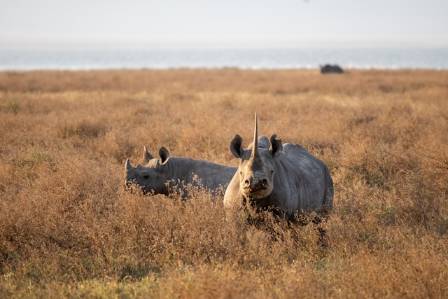
The black, Sumatran, and Javan varieties appear on the official list of critically endangered animals. The wild black population sits at roughly five thousand six hundred individuals. The Sumatran numbers have dropped below eighty animals. The Javan count is staggeringly low at only seventy five. These species currently face the real threat of total extinction. Conservation groups track their status very closely to prevent loss. The black population is slowly recovering due to stricter anti poaching laws. The greater one horned population in India and Nepal is also rebounding successfully. White varieties sadly experienced a fifteen percent decline over the last decade.
Fighting the Ongoing Crisis of Poaching
The primary cause of population collapse is illegal hunting for their horns. This trade mirrors the ivory market for elephant tusks. Demand skyrocketed during the seventies. People turned the horns into expensive status symbols and luxury daggers. The items remain popular in traditional medicine within various Asian nations. Many conservation organizations now fight to stop this cruel industry. They advocate for much harsher criminal penalties for poachers. Some teams safely tranquilize the animals to remove their horns. This drastic strategy deters hunters from targeting them for profit.
Nearby stops
 STOP
· en
The Only Closet Decluttering Rule You Really Need
Alton Reeves
 STOP
· en
7 Sofa Dressing Tips to Create a Stunning Living Room
Lily
 STOP
· en
Albatrosses: Inspiring Legends & Myths
Lucian West
 STOP
· en
Best Sports Cars for 2026
Emery Shaw
 STOP
· en
Understanding Nighttime Hunger and Sleep Quality
Louis Wood
 STOP
· en
Bloom of Ages: The Lotuses of Babylonstoren
Elora Quinn