Dispatch
A Beginner's Guide to Tea
For people who already enjoy it, tea is a comforting and versatile drink suitable for almost any moment. However, for beginners, tea can seem like an incredibly complex world filled with countless varieties, aromas, and flavor combinations. There is much more to tea than simply choosing a box from a supermarket shelf.
Tessa Morgan
Rider
Desk note
Full dispatch and transfer tips sit below.
Line
Blue Line Walk
For people who already enjoy it, tea is a comforting and versatile drink suitable for almost any moment. However, for beginners, tea can seem like an incredibly complex world filled with countless varieties, aromas, and flavor combinations. There is much more to tea than simply choosing a box from a supermarket shelf.
How can you tell whether you are drinking high-quality tea? What type of tea is best for different times of the day? This beginner’s guide explores the different categories of tea, their potential health benefits, proper brewing techniques, and everything you need to know before starting your tea journey.
Tea is traditionally a drink created by steeping leaves from the Camellia sinensis plant in hot water. The final type of tea depends on how the leaves are handled and processed after being harvested. The word “tea” is also often used for herbal drinks made from other plants, including chamomile, peppermint, and hibiscus.
Tea’s history dates back thousands of years to ancient China and the legendary Chinese Emperor Shen Nong. According to the story, tea leaves accidentally dropped into his boiling water, creating one of the earliest forms of the beverage. Over time, tea became an important part of Chinese culture and eventually spread around the world through trade routes, including the Silk Road and exploration-era commerce.
Different Types of Tea
There are hundreds of tea varieties available worldwide, each offering its own unique taste, aroma, and characteristics.
Black Tea
Black tea is produced by picking tea leaves, allowing them to wither, rolling them, exposing them to oxidation, and finally drying them. This process gives the tea its dark appearance and rich, bold flavor.
Because of the oxidation process, black tea usually has a stronger taste and more caffeine compared with many other tea varieties. This makes it a popular choice for mornings when people want a more energizing drink.
Green Tea
Green tea is often called non-oxidized tea because the leaves are quickly heated after harvesting to prevent oxidation. This process helps preserve the fresh green color and natural qualities of the leaves.
Because of the way it is prepared, green tea contains high levels of chlorophyll, polyphenols, and antioxidants. These compounds contribute to many of the health advantages commonly associated with green tea.
White Tea
White tea is made from the youngest leaves and delicate buds of the tea plant. It undergoes minimal processing, allowing it to maintain many of the natural nutrients and antioxidants found in fresh tea leaves.
Compared with other teas, white tea has a lighter, softer flavor with a subtle and elegant character.
Oolong Tea
Oolong tea sits between green tea and black tea on the oxidation spectrum. Because the level of oxidation can vary, oolong teas can have a wide range of flavors, aromas, and textures.
The caffeine amount in oolong tea also differs depending on the specific variety and preparation method.
Rooibos Tea
Rooibos is a naturally caffeine-free herbal beverage made from the leaves of the rooibos plant rather than the Camellia sinensis tea plant.
It has a naturally sweet, smooth, and slightly nutty flavor, making it a popular alternative for people who prefer to avoid caffeine.
Herbal Tea
Herbal and fruit teas are created by steeping dried fruits, herbs, flowers, spices, and other plant-based ingredients in hot water.
Many herbal teas are naturally caffeine-free, making them a great option for those looking for a relaxing drink without the stimulating effects of traditional teas. Because they can be made with countless ingredient combinations, herbal teas offer a wide variety of flavors.
How to Brew the Perfect Cup of Tea
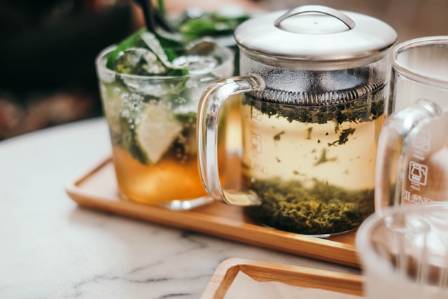
High-quality tea leaves are essential for creating the best flavor. Whether you use loose-leaf tea or tea bags, the quality of the ingredients has a major impact on the final cup.
After measuring your tea, prepare fresh cold water and heat it to the proper temperature. Different tea varieties require different water temperatures for the best results.
Black tea: 100°C or 212°F boiling water
Green tea: 75–85°C or 167–185°F
White tea: 80–85°C or 176–185°F
Oolong tea: 85–90°C or 185–194°F
Always pour the correctly heated water over the tea leaves or tea bag rather than placing the tea into water afterward. This method helps extract the fullest flavor.
Brewing time also changes depending on the type of tea.
Black tea: 3–5 minutes
Green tea: 2–3 minutes
White tea: 4–5 minutes
Oolong tea: 4–7 minutes
Herbal tea: 5–12 minutes depending on the ingredients
Rooibos tea: 8–10 minutes
Once the tea has finished steeping, remove the tea bag, infuser, or strain the loose leaves before serving.
Health Benefits of Tea
Tea is not only enjoyable but also contains many compounds that may support overall wellness.
Rich in antioxidants, tea can help the body fight oxidative stress and may reduce inflammation. Green tea contains catechins, which have been studied for their possible role in supporting heart health and healthy weight management.
Tea also contains theanine, an amino acid associated with relaxation, reduced stress, and improved mental focus. Varieties such as black tea and white tea contain flavonoids and polyphenols, compounds that may offer protective effects against certain health concerns.
Regular tea consumption has been linked with stronger immune support, a lower risk of some chronic conditions, and possible relief from seasonal allergy symptoms due to natural histamine-blocking properties.
However, tea should not be considered a replacement for medical treatment. Always consult a healthcare professional before using tea as a way to manage or treat any health condition.
Starting Your Tea Journey
For anyone interested in exploring tea, My Cup of Tea offers everything needed to begin brewing at home. Helpful tools such as quality teapots, steepers, and infusers can make preparing the perfect cup easier.
My Cup of Tea is a nonprofit organization based in Memphis, Tennessee, that operates as a workplace, packaging center, retail shop, and supportive space for women in the Orange Mound community.
The organization’s mission is to provide women with opportunities, resources, and skills that help them build better futures. The company sources premium teas from tea farms and estates across the Far East, then the women working at the organization prepare, package, and sell these products.
Every purchase of their teas and products helps support meaningful opportunities and positive change for the women who create them.
Nearby stops
 STOP
· en
Top 3 Traditional Swiss Bread Rolls
Blaine Rutledge
 STOP
· en
Are Strawberries Good for You?
Dr. Emily Hartwell
 STOP
· en
Bloom of Ages: The Lotuses of Babylonstoren
Elora Quinn
 STOP
· en
Inside the World of the Red Fox
Calvin Rhodes
 STOP
· en
Smoked Salmon Platter
Julian Cross
 STOP
· en
Top 10 facts about polar bears
Grayson Reed