← Back to desk4 min ride
Dispatch
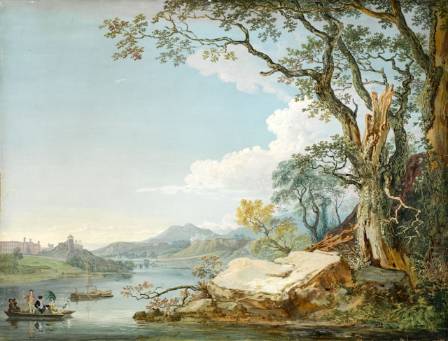
Ten Foundational Masterpieces of Historical Oil Painting
Oil painting, with its rich history and versatile nature, has served as the primary medium for many of the Western world's most celebrated artists. These masters not only defined artistic movements but also expanded the technical and expressive possibilities of paint itself. The following ten works represent pivotal moments in art history, each demonstrating a unique approach to the medium that continues to inspire artists today.
S
Steve
Rider
Desk note
Full dispatch and transfer tips sit below.
Line
Blue Line Walk
Oil painting, with its rich history and versatile nature, has served as the primary medium for many of the Western world's most celebrated artists. These masters not only defined artistic movements but also expanded the technical and expressive possibilities of paint itself. The following ten works represent pivotal moments in art history, each demonstrating a unique approach to the medium that continues to inspire artists today.
1. Leonardo da Vinci – Mona Lisa (c. 1503–1506)
A pinnacle of the High Renaissance, this portrait revolutionized the genre through its profound psychological depth. Leonardo employed the sfumato technique—layering thin, translucent glazes of oil paint to create soft, smoky transitions between light and shadow. This method produced the subject's enigmatic expression and a sense of living presence, setting a new standard for realism and emotional complexity in portraiture.
2. Vincent van Gogh – The Starry Night (1889)
Created during the artist's stay in an asylum, this Post-Impressionist landmark translates inner turmoil into visual poetry. Van Gogh rejected realistic depiction in favor of emotional truth, using thick, swirling applications of paint (impasto) to render a turbulent, visionary night sky. The vibrant, contrasting colors and dynamic brushwork convey a powerful sense of wonder, anxiety, and spiritual longing.
3. Claude Monet – Water Lilies (series, from 1890s)
Monet's seminal series epitomizes the goals of Impressionism: capturing the fleeting effects of light and atmosphere. Painting en plein air (outdoors), he used broken color—short, distinct brushstrokes of pure color—to build shimmering reflections on his garden pond. His focus shifted from defining solid forms to portraying the sensory experience of a moment, paving the way for abstract art.
4. Johannes Vermeer – Girl with a Pearl Earring (c. 1665)
Often called the "Mona Lisa of the North," this masterpiece of the Dutch Golden Age is a study in quiet intimacy and luminous beauty. Vermeer was a master of glazing, applying thin, transparent layers of oil over underpainting to achieve unparalleled depth and radiance. The soft light caressing the girl's face and the luminous glow of the pearl demonstrate his exquisite control of the medium to evoke mood and texture.
5. Rembrandt van Rijn – The Night Watch (1642)
This colossal group portrait transcends its civic commission to become a dramatic, life-filled tableau. Rembrandt masterfully used chiaroscuro—the strong contrast between light and dark—to direct the viewer's eye and infuse the scene with movement and psychological depth. His innovative, textured brushwork gave figures a palpable sense of life, redefining the potential of historical and portrait painting.
6. Michelangelo Merisi da Caravaggio – The Calling of Saint Matthew (1599–1600)
Caravaggio ushered in the Baroque era with his radical, theatrical realism. He employed tenebrism, an extreme form of chiaroscuro where dramatic shafts of light pierce overwhelming darkness. This technique, applied with a stark, naturalistic detail, brought biblical scenes into the contemporary world, making sacred stories feel immediate, visceral, and emotionally potent.
7. Jan van Eyck – The Arnolfini Portrait (1434)
Widely celebrated as a landmark of the Northern Renaissance, this painting showcases the revolutionary potential of oil paint when it was still a relatively new medium. Van Eyck's meticulous technique involved applying layer upon layer of thin, transparent glazes to achieve astonishing realism, luminous color, and intricate detail—from the texture of fabrics to the reflection in the convex mirror.
8. Diego Velázquez – Las Meninas (1656)
This complex masterpiece of the Spanish Baroque is a profound meditation on art, perception, and reality. Velázquez, painting with loose, confident brushwork, ingeniously plays with perspective and viewer position, placing himself at the easel within the scene. The work blurs the lines between the painted space and the real space of the observer, challenging the roles of artist, subject, and spectator.
9. Francisco Goya – The Third of May 1808 (1814)
A brutal and empathetic depiction of wartime execution, this painting is a cornerstone of modern art. Goya broke from traditional history painting by focusing on the raw emotion and suffering of anonymous victims. His use of stark light to highlight the central figure's despair, coupled with loose, expressive brushwork, conveyed a powerful political and humanitarian message that influenced generations of artists.
10. Pablo Picasso – Les Demoiselles d'Avignon (1907)
Although not included in the original shortlist, this painting is arguably more foundational to modern art than Weeping Woman. It shattered centuries of artistic convention by fracturing form and perspective, drawing inspiration from African masks and Iberian sculpture. Its radical departure from realism, using fractured planes and aggressive figures, directly catalyzed the development of Cubism and much of 20th-century abstract art.
Nearby stops
 STOP
· en
How to Create a Vintage Coffee Bar
Jareth Cole
 STOP
· en
7 Fascinating Facts About Felt
Ryan
 STOP
· en
Nutrition for the Active Lifestyle: Empowering Your Body with Essential Nutrients for a Hectic Routine
Leo Xavier
 STOP
· en
From Girl Space Dreamers to Women Astronauts
Owen Hayes
 STOP
· en
Shelf storage ideas: maximize space with style
Sarah Holden
 STOP
· en
Mars: Exploration of the Rust-Colored Terrestrial World
Aaron Michael Stratford