Dispatch
Nine things you didn’t know about marmots
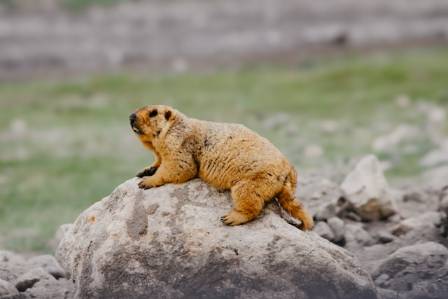
Large and often adorable ground-dwelling squirrels, marmots have become one of the most recognizable animals of the Alps and many other mountain regions around the world. Their round bodies, gentle appearance, and curious behavior make them a favorite among hikers and nature lovers. Although they may look simple and harmless, these mountain rodents have many fascinating characteristics.
Julian Ford
Rider
Desk note
Full dispatch and transfer tips sit below.
Line
Blue Line Walk
Large and often adorable ground-dwelling squirrels, marmots have become one of the most recognizable animals of the Alps and many other mountain regions around the world. Their round bodies, gentle appearance, and curious behavior make them a favorite among hikers and nature lovers. Although they may look simple and harmless, these mountain rodents have many fascinating characteristics.
There Are Fourteen Living Species of Marmots
Today, scientists recognize fourteen existing species of marmots, while fossil evidence has revealed four additional extinct species from the past.
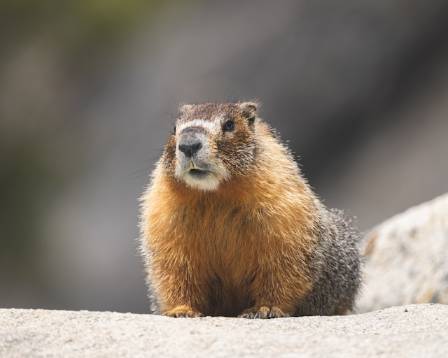
The alpine marmot (Marmota marmota) is the species commonly found in the European Alps and is the only type of marmot naturally living in that region. In North America, mountain areas are home to species such as the hoary marmot (Marmota caligata) and the yellow-bellied marmot (Marmota flaviventris).
Not every marmot species lives in high mountains. The groundhog (Marmota monax), for example, is a marmot species that prefers lower-elevation habitats.
Alpine Marmots Have Their Own Communication System
One of the most famous characteristics of marmots is their loud, high-pitched warning whistle. Alpine marmots use different alarm sounds depending on the type of danger they detect.
A single sharp whistle usually signals a threat from above, such as a hunting eagle flying overhead. Multiple repeated whistles indicate danger approaching from the ground. Interestingly, research on some North American marmot species has not shown the same connection between specific calls and different types of predators.
Marmots Live in Family Groups with Strict Social Rules
Marmots are highly social animals that live together in family units with a clear social structure. Each group is led by a dominant male and female, and usually only this main breeding pair produces offspring each year.
The dominant female helps maintain this system by preventing other members of the group from reproducing. Each family occupies its own underground burrow, which can become increasingly complex as generations continue expanding it.
During winter, the entire family gathers inside the main chamber of the burrow, known as the hibernaculum, where they stay together during their long period of dormancy.

Some Marmots Have Multiple Mating Partners
Although marmot families are generally organized around one dominant breeding pair, genetic studies have shown that the social structure is not always completely strict.
DNA research has revealed that a percentage of marmot young are fathered by males other than the dominant male. Estimates suggest that between about 2.2% and 13% of offspring may have another father, and even members of the same litter can sometimes have different fathers.
Marmot Families Form Larger Colonies
Several marmot families often live close together in larger colonies. However, each family maintains its own area and protects its territory from neighboring groups.
Interactions between different families are usually limited and can sometimes become aggressive. Marmots mark their boundaries using scent signals from their droppings, allowing other groups to recognize which areas belong to them.
Marmots Spend Much of Their Lives Sleeping
Marmots are famous for their long periods of hibernation. They can remain inactive for approximately 200 days each year, during which they survive by using stored body fat.
During hibernation, they lose a significant amount of body weight, sometimes around one-third of their total mass. They do not remain completely asleep the entire time, however. Scientists believe that short periods of activity help them maintain proper body temperature and regulate their condition.
Young marmots face a difficult challenge after birth because they must grow quickly and consume enough food before their first winter hibernation.
Whistler Mountain Was Named After Marmots
Because of their distinctive calls, marmots are often called “whistlepigs” or “whistlers” in Canada. Their loud warning sounds even inspired the name of the famous ski destination Whistler.
The area was originally known as London Mountain because of its wet and foggy weather conditions. When the location was developed as a tourist destination, the name Whistler was chosen because it was considered more appealing and memorable, referring to the marmots living in the region.
Marmots First Appeared in North America
The evolutionary history of marmots stretches back millions of years. After the continents of North America and Eurasia became separated, many animal groups developed independently on each landmass.
Marmots first evolved in North America around 15 million years ago. Later, some species crossed from North America into Eurasia through the Bering Strait region approximately one million years ago, eventually giving rise to the marmot species found across Europe and Asia today.
Marmots Were Once Associated with Gold Discovery
Ancient stories connected marmots with the search for gold. Around 2,500 years ago, the Greek historian Herodotus described mysterious large golden “ants” that were said to help locate gold in the Persian Empire.
For centuries, this story was considered impossible, but research in the 1990s suggested that these creatures may actually have been golden marmots living in modern-day Pakistan.
The ancient Persian word for marmot translates roughly to “mountain ant.” These animals dig burrows in sandy soils that may contain gold particles, and small pieces of gold-bearing material can become attached to their fur. Historians now believe local people may have collected gold from the soil brought to the surface by these burrowing marmots.
Discover Marmots in Their Natural Alpine Habitat
Seeing marmots in the wild is one of the highlights of exploring mountain landscapes. During multi-day hiking journeys in alpine regions, visitors often have a good chance of encountering these charming animals along with other wildlife.
Mountain areas where marmots live are also home to many other impressive species, including ibex, chamois, and griffon vultures. These animals are all part of the rich ecosystem that makes the Alps and other mountain ranges such remarkable places for wildlife observation.
Nearby stops
 STOP
· en
Top 12 Most Reliable Cars
Frank
 STOP
· en
Why you should still have a landline home phone
Blake Morgan
 STOP
· en
Europe’s Best-Preserved Towns
Della Whitmore
 STOP
· en
Top-Rated Sedans for Maximum Safety in 2025
Isabella Harris
 STOP
· en
Leading Wildlife and Animal Artists
Isabella Moore
 STOP
· en
Impressions of Chinese Gardens
Elian Prescott