← Back to desk18 min ride

Dispatch
The Ultimate Safe & Unsafe Food Guide Every Hamster Owner Should Know
This article is a complete guide to a safe and healthy hamster diet. It explains which vegetables, fruits, nuts, seeds, proteins, and treats hamsters can eat, which foods should only be given occasionally, and which foods are best avoided. It also covers portion sizes, diabetes-prone hamster species, introducing new foods, and feeding older hamsters, helping owners make safer and more balanced feeding choices.
E
Ethan Carter Williams
Rider
Desk note
Full dispatch and transfer tips sit below.
Line
Blue Line Walk
Hamsters may be tiny, but their appetite for variety can be surprisingly big.
From broccoli and pumpkin seeds to chicken, oats, flowers, and even the occasional piece of cheese, hamsters can enjoy a much wider range of foods than many new owners realize.
The problem is that not everything humans eat is suitable for them.
Some foods are perfectly safe in tiny amounts, some should only be offered occasionally, and others are best avoided altogether. Because hamsters are so small, even a food that seems harmless to us can have a much greater effect on them.
So, what can hamsters safely eat?
This guide covers the most common vegetables, fruits, herbs, seeds, nuts, treats, fresh foods, and human foods hamster owners often ask about, as well as foods that are better left off the menu.
The Most Important Rule: Start With a Balanced Hamster Diet
Fresh food should never replace a good-quality hamster mix.
A nutritionally balanced hamster food should provide the majority of your hamster's daily calories, protein, vitamins, minerals, grains, seeds, and other nutrients.
Healthy adult hamsters generally do not need additional supplements when they are already eating a properly formulated diet.
Fresh vegetables, herbs, proteins, and treats are best thought of as extras.
They can provide enrichment, encourage natural foraging behavior, and introduce different flavors and textures, but they should remain a relatively small part of the overall diet.
When introducing fresh food to a hamster for the first time, start slowly.
A tiny portion every two or three days for the first couple of weeks allows the digestive system time to adjust. Once your hamster is comfortable eating fresh food, a very small piece of suitable vegetable can usually be offered more regularly.
A useful rule of thumb is simple:
A portion of fresh fruit or vegetables should be approximately the size of your hamster's ear.
For dwarf hamsters, portions should be even smaller.
And when you're unsure whether a food is safe, the safest rule remains:
If in doubt, leave it out.
Safe Vegetables for Hamsters
Vegetables are among the best fresh foods you can add to a hamster's diet.
Most common vegetables can be offered in small quantities, although some are more nutritious than others.
Raw vegetables are usually a good choice because they are crunchy and provide enrichment. Plain cooked vegetables can also be offered as long as they contain no salt, seasoning, oil, butter, gravy, or sauces.
Broccoli
Broccoli is one of the better vegetables for hamsters.
It contains useful vitamins, minerals, and fiber, while its firm texture gives hamsters something interesting to chew.
Offer only a small floret.
Peas
Peas are another nutritious option.
Fresh or plain cooked peas can be given occasionally in small amounts.
Cucumber
Cucumber is popular with many hamsters.
Because it contains a lot of water, it can provide additional hydration. A tiny slice can also be useful during transport, although water should still be available whenever possible.
Too much watery food may lead to loose stools, so portions should remain small.
Carrot
Carrot can be offered raw or plainly cooked.
Because carrots contain natural sugars, particularly cautious owners may prefer smaller portions for diabetes-prone dwarf species.
Cauliflower
Small pieces of cauliflower are generally suitable for hamsters.
As with broccoli and cabbage-family vegetables, moderation is sensible because large amounts may cause digestive discomfort.
Courgette / Zucchini
Zucchini is generally well tolerated and can be given raw in tiny portions.
Green Beans
Green beans can be offered, but any tough strings running along the sides should be removed first.
Baby Corn
Small amounts of baby corn can be offered as an occasional vegetable.
Celery
Celery itself is not generally considered toxic, but its long fibers can make it inconvenient for hamsters.
If you offer celery, remove the strings and cut it into a very small piece.
Spinach
A small spinach leaf can occasionally be included in the diet.
Spinach is nutritious but also contains oxalates, so it is better treated as an occasional food rather than an everyday vegetable.
Cabbage
Cabbage can be given in tiny portions.
Because it is high in fiber and water, too much may contribute to bloating, gas, or diarrhea.
Lettuce
Some lettuce can be offered occasionally, but it is mostly water and is not especially nutrient-dense.
Large amounts of watery lettuce may contribute to diarrhea, making vegetables such as broccoli a better everyday choice.
Safe Fruits for Hamsters
Fruit is naturally sweet, which makes it attractive to hamsters.
However, that sweetness is exactly why fruit should be limited.
Syrian hamsters and Roborovski hamsters may have tiny portions of suitable fruit occasionally.
Greater caution is recommended for species with a tendency toward diabetes, including Campbell's dwarf hamsters, many hybrid Russian dwarf hamsters, and Chinese hamsters.
For these hamsters, many owners choose to avoid fruit entirely.
Potentially suitable fruits include:
-
Apple flesh
-
Blueberries
-
Strawberry
-
Melon
-
Banana
-
Peach
-
Nectarine
-
Cherries with the stone completely removed
Always remove pits, stones, seeds, and pips before offering fruit.
A hamster does not need an entire strawberry or slice of apple. A tiny piece is enough.
Fruit Seeds and Pits Should Be Removed
Even when the fruit itself is safe, the seeds or stones may not be.
Apple seeds, pear seeds, cherry stones, and similar fruit seeds can contain naturally occurring compounds that release cyanide during digestion.
The amount that creates danger varies by species and dose, but because hamsters are extremely small, there is no practical reason to take the risk.
Offer the fruit flesh only.
Wash the skin thoroughly if it is being served with the fruit.
Grapes and Raisins: A Cautious Approach
Grapes are one of the more debated foods in hamster care.
Some hamster owners have offered grapes without obvious problems, while certain animal welfare recommendations advise avoiding them.
Another concern is that grapes and dried grapes can occasionally be contaminated with fungal toxins known as mycotoxins.
These toxins are not necessarily visible and may remain in food even after processing.
Because hamsters have many safer fruit choices available, a cautious approach is simply to skip grapes and raisins.
Raisins also contain concentrated natural sugar, making them less suitable as a regular treat.
Dried Fruit
Dried fruit is much more concentrated in sugar than fresh fruit.
Commercial dried fruit may also contain preservatives or added sweeteners.
For those reasons, dried fruit is not one of the best hamster treats, especially for diabetes-prone species.
Fresh vegetables are generally a healthier choice.
Safe Herbs and Edible Flowers
Hamsters can enjoy certain herbs and edible flowers, but moderation is especially important.
Many herbs contain biologically active compounds and have traditionally been used medicinally. A plant being "natural" does not automatically mean that unlimited amounts are safe.
Suitable options may include:
Dandelion Leaves and Root
Dandelion can be used occasionally.
Dandelion root is also popular as a natural gnawing item.
Because dandelion has mild diuretic properties, it may not be appropriate for hamsters with certain kidney problems.
Chickweed
Clean chickweed from a safe, pesticide-free source can be offered occasionally.
Cress
Small amounts of cress can provide variety.
Grass
Clean, pesticide-free grass can be used as enrichment.
Growing pet-safe nibble grass indoors is often safer than collecting grass from roadsides or public areas.
Calendula Petals
Calendula petals can be offered in moderation.
Make sure the plant is correctly identified, since not every decorative marigold is suitable for eating.
Cornflower Petals
Dried or fresh edible cornflower petals from a safe source may be included in small amounts.
Rose Petals
Unsprayed, chemical-free rose petals can occasionally be offered.
Sunflower Petals
Clean sunflower petals are another possible enrichment food.
White Clover
White clover may be offered in moderation.
Red clover is best approached more cautiously because it contains biologically active plant compounds.
Parsley
Parsley contains beneficial nutrients and has been studied for potential metabolic effects.
However, because herbs may have physiological effects, moderation is still recommended.
Pregnant hamsters should not be given unfamiliar herbs unless an experienced exotic veterinarian has confirmed they are suitable.
Foods Hamsters Should Avoid
Some foods are simply not worth the risk.
Even if a hamster might survive a tiny accidental bite, that does not make the food appropriate as part of a normal diet.
Citrus Fruit
Lemons and limes are highly acidic.
Other citrus fruits are also acidic and unnecessary in a hamster's diet.
Because hamsters have sensitive cheek pouches and digestive systems, there are many better fruit choices.
For practical purposes, citrus fruit is best avoided.
Onion, Garlic and Leeks
Members of the onion family are not suitable hamster foods.
Onions, garlic, leeks, and foods containing concentrated onion or garlic powders should be avoided.
Do not assume cooked onion is automatically safe. Processed foods, baby foods, soups, sauces, and broths can also contain onion or garlic.
Highly Spiced Foods
Hamsters do not need seasoned human food.
Avoid foods containing chili, pepper blends, strong spices, or heavily flavored sauces.
Salty Foods
Excess salt is unnecessary and potentially harmful.
Avoid salted nuts, processed meats, chips, crackers, and heavily seasoned leftovers.
Sugary Human Foods
Candy, frosting, sweetened cereal, desserts, cookies, and similar foods offer little nutritional benefit.
Even species that tolerate natural sugars do not need refined sugar.
Rhubarb
Rhubarb is best avoided.
The leaves contain particularly high levels of oxalates and should never be offered.
The stalk is also acidic and relatively high in oxalates, making it an unnecessary risk.
Avocado
Avocado is generally best left off the hamster menu.
Its skin and pit contain persin, while the flesh is extremely rich in fat.
There are safer foods available that provide healthy fats without the same concerns.
Nightshade Vegetables: What Owners Should Know
Some common vegetables belong to the nightshade family.
These plants can contain alkaloids such as solanine, with concentrations varying between the edible vegetable and the leaves, stems, or unripe portions.
Tomatoes
The leaves, stems, and vines of tomato plants should not be offered.
Green or unripe tomatoes are also best avoided.
A tiny amount of fully ripe tomato flesh is generally considered safer, but hamsters do not need tomato and there are many simpler vegetables to choose from.
Bell Peppers
The flesh of bell peppers can be offered in small quantities.
Remove the stalk and plant material.
Aubergine / Eggplant
Because recommendations surrounding eggplant vary and it belongs to the nightshade family, cautious owners may prefer to choose another vegetable.
Potatoes
Raw potatoes and green potatoes should not be given.
Green potatoes can contain increased concentrations of solanine.
Plain, fully cooked potato may be offered in a very small amount, but more nutritious vegetables are usually a better option.
Raw Beans and Pulses
Raw kidney beans are not safe for hamsters.
Beans and many other pulses contain compounds that are broken down during proper cooking.
If pulses are ever offered, they should be thoroughly cooked and completely plain.
Healthy Hamster Treats
Treats do not need to come from brightly colored pet shop packets.
Some of the healthiest hamster treats are ordinary seeds, nuts, grains, and other simple foods.
Pumpkin Seeds
Pumpkin seeds are a favorite among many hamsters.
They work particularly well as hand-feeding treats during taming.
They can also be scattered around the enclosure to encourage natural foraging behavior.
Use plain, unsalted seeds.
If using seeds from a fresh pumpkin, clean and dry them properly before offering them.
Sunflower Seeds
Sunflower seeds are another popular treat.
They are nutritious but calorie-dense, so they are best offered in moderation rather than by the handful.
They make excellent training or taming rewards.
Safe Nuts
Many plain nuts can be offered occasionally.
Suitable options may include:
-
Walnut
-
Pecan
-
Brazil nut
-
Plain cashew
-
Hazelnut
-
Unsalted pistachio
-
Pine nut
-
Peanut in the shell
-
Unsweetened coconut flakes
Always choose plain, unsalted varieties.
A Syrian hamster might receive approximately half of a larger nut, while a dwarf hamster should receive a much smaller piece.
Nuts are rich in fat and protein, so they do not need to be given every day.
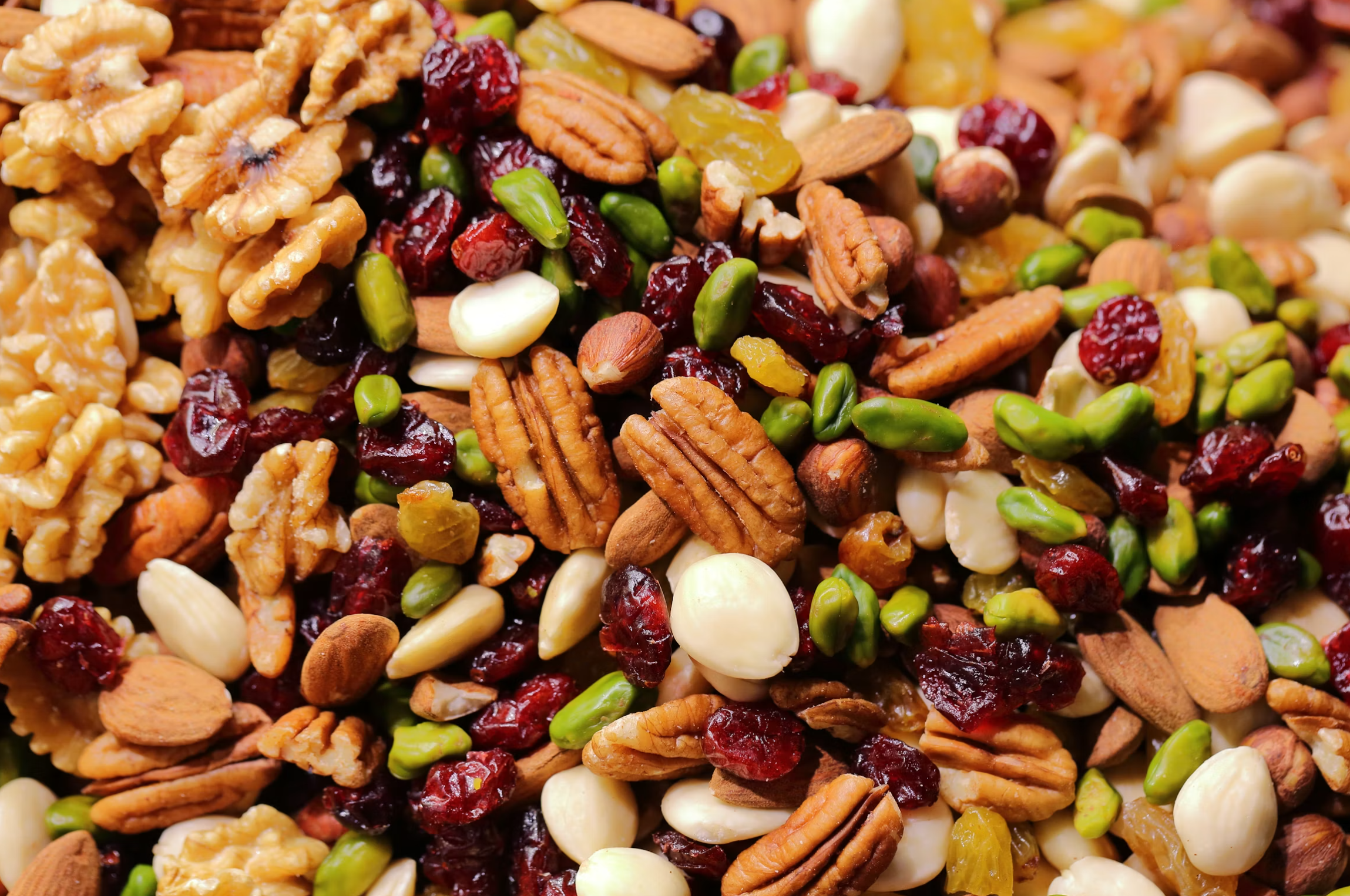
Almonds: Sweet vs. Bitter
Almonds often cause confusion.
There are important differences between sweet almonds and bitter almonds.
Bitter almonds contain much higher levels of amygdalin and are not suitable.
Commercial sweet almonds are the type most commonly sold for human consumption.
Even so, hamsters do not need almonds, and some owners choose to avoid them entirely.
If sweet almond is offered, use a tiny piece of plain, skinless almond rather than a whole nut.
Grain Sprays
Millet, flax, wheat, oat, and similar grain sprays can be excellent forms of enrichment.
Instead of receiving food directly in a bowl, the hamster can climb, forage, pull, and collect seeds naturally.
Some hamsters eat sprays enthusiastically while others mostly use them as cover.
Either way, sprays can make an enclosure more interesting.
Insects
Hamsters are omnivores, not strict vegetarians.
Small amounts of suitable insects can provide animal protein.
Potential options include:
-
Dried mealworms
-
Dried crickets
-
Grasshoppers
-
Silkworm pupae
-
Plain dried freshwater shrimp
Some hamsters love insects. Others completely ignore them.
Both reactions are normal.
Meat and Fish
Plain cooked meat can occasionally be offered.
Small pieces of unseasoned chicken or beef can provide additional protein.
The key word is plain.
Do not give meat covered in gravy, sauce, butter, oil, salt, spices, marinades, or seasoning.
Processed meats such as ham, bacon, sausages, deli meat, and heavily salted packaged meats should be avoided.
Plain cooked fish may also be offered occasionally, provided all bones are removed.
Eggs
Hamsters can eat small amounts of egg.
Plain scrambled egg prepared without milk, butter, salt, or seasoning is suitable.
Hard-boiled egg can also be offered.
Egg is protein-rich, so it should be treated as an occasional supplement rather than an everyday food.
Rice and Pasta
Plain rice and pasta can be offered either appropriately cooked or, in some cases, dry depending on the type.
Never offer seasoned pasta or rice prepared with sauces.
Cooked rice requires particular attention because improperly stored rice can develop bacterial toxins.
If rice has been cooked, refrigerate it promptly and do not leave it sitting at room temperature for long periods.
For such a tiny animal, it is often easier simply to prepare a fresh, plain portion.
Oatmeal and Porridge
Plain oats are a useful hamster food.
If making porridge, prepare it with water rather than milk and serve it after cooling.
The texture should not be excessively thick or sticky, since sticky foods may be awkward for cheek pouches.
A soft but loose consistency is better.
Cheese and Dairy
Hamsters may be capable of digesting some lactose, but dairy is not a natural or necessary part of their normal diet.
A tiny cube of mild hard cheese such as cheddar can be offered occasionally to some hamsters.
Avoid:
-
Blue cheese
-
Mold-ripened cheese
-
Highly salted cheese
-
Strongly flavored cheese
-
Soft cheese containing herbs or additives
A tiny amount of plain yogurt is unlikely to cause problems for many healthy hamsters, but it provides little benefit compared with more species-appropriate foods.
Dairy should never become a routine part of the diet.
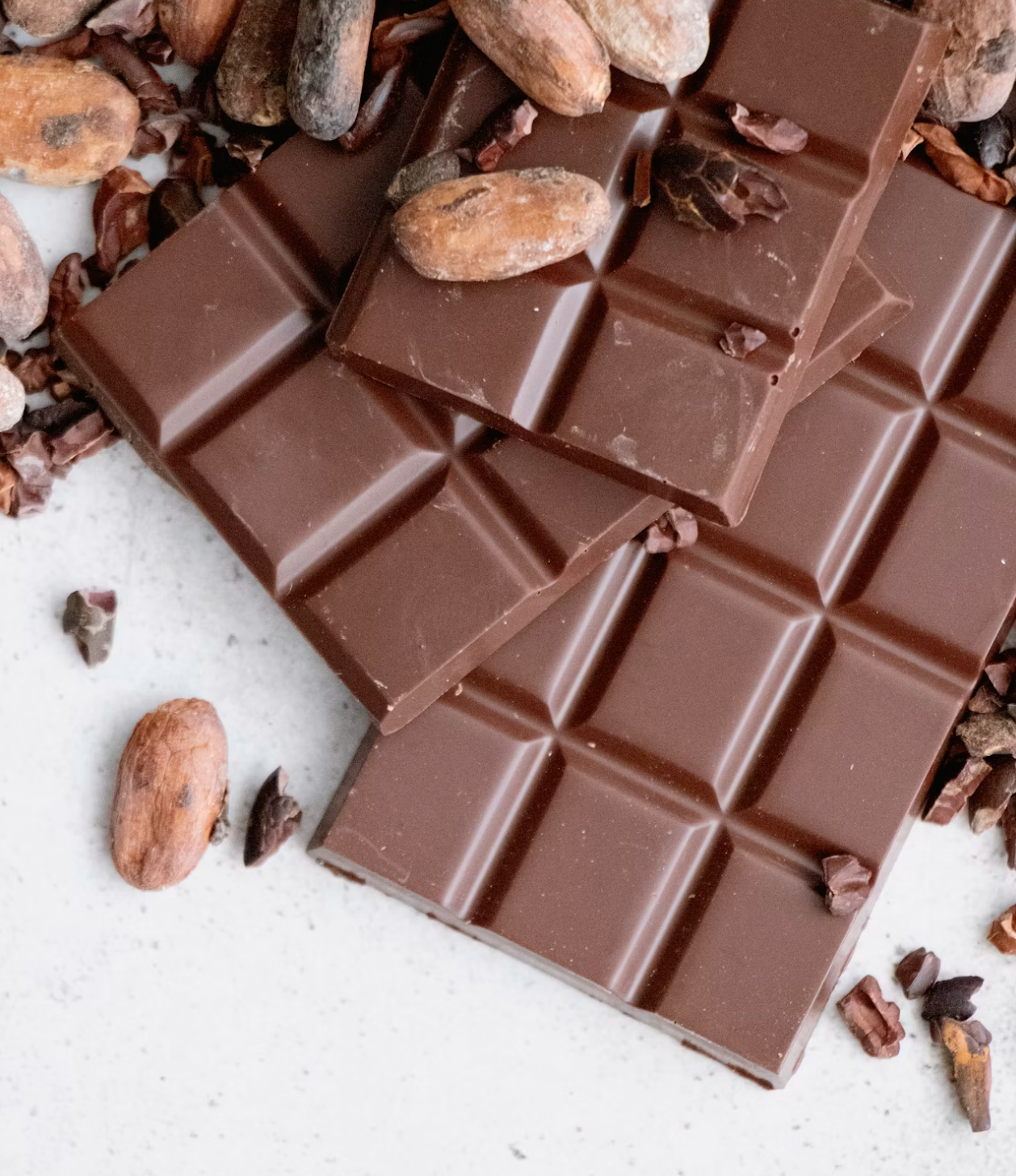
Chocolate
Chocolate should not be intentionally fed to hamsters.
Chocolate contains caffeine and theobromine, substances that can affect animals differently from humans.
Dark chocolate generally contains much more theobromine than milk chocolate.
Chocolate also melts easily, becoming sticky enough to create problems if stored inside a hamster's cheek pouch.
If a hamster accidentally takes an extremely tiny crumb, serious poisoning is not guaranteed, and the risk depends on the type of chocolate, amount eaten, and size of the hamster.
However, deliberately feeding chocolate provides no benefit.
If a hamster consumes a significant quantity of chocolate, especially dark chocolate, contact an exotic veterinarian for advice.
Pet-shop "chocolate drops" often contain no real chocolate, but they may still be high in sugar and are not especially healthy treats.
Peanut Butter
Peanut butter is another food that sounds hamster-friendly but is better avoided.
It is thick, sticky, and may adhere to the inside of cheek pouches.
Many commercial peanut butters also contain salt, sugar, oils, or sweeteners.
A plain peanut or tiny piece of another safe nut is a much better choice.
Commercial Hamster Treats
Pet shops sell hundreds of hamster treats, and their quality varies enormously.
Some are reasonably simple and nutritious.
Others are essentially tiny pet desserts.
Before buying treats, check the ingredient list.
Products containing large amounts of sugar, honey, molasses, artificial coloring, or highly processed ingredients should be limited.
Natural seed mixes, herb mixes, plain grain treats, and simple vegetable-based chews are generally more appropriate.
Commercial treats should complement a good diet, not replace it.
Edible Play Logs
Some edible tunnels, logs, and chews are made with compressed plant fiber, sawdust-like material, starches, honey, or other binders.
Just because a product is marketed as edible does not mean your hamster should consume large quantities of it.
They may be useful as enrichment, but owners should always inspect the ingredients.
A plain wooden chew or natural forage item can often serve the same purpose.
Chew Sticks
Chewing is extremely important for hamsters because their front teeth continue growing throughout life.
Safe wooden chews and treat sticks can help encourage gnawing.
Some commercial seed-coated sticks contain honey or sugar and are better used occasionally.
Natural sugar-free chews are preferable for everyday enrichment.
Cardboard can also provide excellent inexpensive enrichment.
Toilet-roll tubes, plain cardboard boxes, and egg-box pieces can be used to create simple forage toys.
Always make sure cardboard is clean and free from tape, staples, plastic coatings, and harmful inks.
Baby Food
Baby food can occasionally be useful for elderly hamsters, hamsters recovering from illness, or animals having difficulty chewing.
However, it is not usually necessary for healthy young hamsters.
Hamsters need opportunities to chew hard foods to help maintain their teeth.
If baby food is used, read the ingredients carefully.
Avoid products containing:
-
Onion
-
Garlic
-
Strong spices
-
Pepper
-
Citrus
-
Heavy seasoning
-
Added salt
-
Added sugar
Simple vegetable or meat baby foods with short ingredient lists are easier to evaluate.
Foods for Older Hamsters
Older hamsters sometimes need a slightly different approach.
A hamster with dental problems, declining appetite, or age-related weakness may struggle with hard foods.
Softened hamster mix, porridge, crushed nuts, seeds, or suitable baby food may help maintain calorie intake.
At this stage, quality of life becomes especially important.
A healthy young hamster should have a carefully balanced diet, but an elderly hamster with limited time may sometimes be allowed a little more flexibility if doing so encourages them to eat.
The priority should be keeping the hamster comfortable, nourished, and interested in food.
How Much Fresh Food Should a Hamster Eat?
One of the biggest mistakes new owners make is feeding portions that are far too large.
Remember how small a hamster is compared with a human.
A "small" piece of apple to us can be enormous to them.
For most fresh foods, think tiny.
A piece approximately the size of the hamster's ear is a useful starting point.
For dwarf hamsters, go smaller.
Remove uneaten fresh food before it spoils, especially if your hamster carries food into a hidden nest or underground chamber.
Hamsters are famous for hoarding.
The food bowl may look empty even though your hamster has built a miniature supermarket beneath the bedding.
Regularly check hidden areas for spoiled fresh food without unnecessarily destroying the hamster's nest.
Diabetes-Prone Dwarf Hamsters Need Extra Care
Not every hamster species should be fed exactly the same way.
Campbell's dwarf hamsters, many Russian hybrid dwarf hamsters, and Chinese hamsters may have an increased tendency toward diabetes.
For these animals, sugary foods should be particularly limited.
Many experienced owners avoid fruit and sugary commercial treats completely.
Vegetables, herbs, seeds, and other low-sugar foods provide plenty of variety without adding unnecessary sugar.
If you are unsure whether your dwarf hamster is a pure Winter White or a hybrid, treating it as potentially diabetes-prone is the cautious option.
A Simple Hamster Feeding Formula
If all the information above feels complicated, hamster feeding can actually be reduced to a few simple rules.
1. Make a quality hamster mix the foundation of the diet.
2. Offer tiny amounts of fresh vegetables for variety.
3. Use seeds and nuts as occasional treats rather than unlimited snacks.
4. Keep sugary foods to an absolute minimum.
5. Avoid salty, spicy, processed, sticky, or highly acidic human foods.
6. Remove fruit stones, seeds, stems, and unsafe plant parts.
7. Introduce new foods slowly.
8. Feed much smaller portions than you think you need.
9. Check food hoards for spoiled fresh food.
10. When you're not sure a food is safe, don't feed it.
Final Thoughts
Hamsters do not need an enormous menu to stay healthy.
A good-quality hamster mix, clean water, a selection of safe vegetables, and a handful of carefully chosen treats can provide everything most hamsters need.
Variety is valuable, but more is not always better.
The healthiest hamster diet is one that combines proper nutrition with sensible portions and natural enrichment.
Broccoli, cucumber, pumpkin seeds, plain nuts, safe herbs, grain sprays, and occasional protein foods can make life much more interesting for a hamster.
On the other hand, onions, garlic, heavily seasoned foods, excessive sugar, unsafe fruit seeds, raw potatoes, and other questionable foods are simply unnecessary.
Your hamster may happily try to convince you that every food in your kitchen belongs to them.
Fortunately, you're the one in charge of the menu.
And when it comes to hamster food, one simple rule can prevent a lot of problems:
When in doubt, leave it out.
Nearby stops
 STOP
· en
Eleven Works of Plein Air Painting Inspired by Rivers and Woods
Kelly Kane
 STOP
· en
How Daily Tea Consumption Directly Impacts Long Term Health Outcomes
Xavier Joseph Knight
 STOP
· en
10 Epic Coastal Cliffs
Layla Rogers
 STOP
· en
My Favorite Wearable Fall Fashion Trends for 2026
Sylvan Reeves
 STOP
· en
What Are Mint Plants?
Amelie Knox
 STOP
· en
Anthurium: Easy Houseplants That Offer Long-Lasting Color
Elina Rhodes