Dispatch
Microchips technology
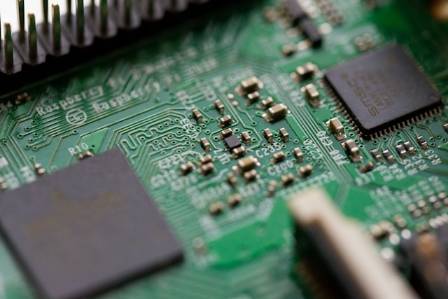
Microchips—often referred to as integrated circuits or computer chips—are compact yet highly powerful components found at the core of almost every modern device. From smartphones and computers to vehicles and medical equipment, these tiny chips serve as the essential building blocks of today’s technology.
Dylan Shaw
Rider
Desk note
Full dispatch and transfer tips sit below.
Line
Blue Line Walk
Microchips—often referred to as integrated circuits or computer chips—are compact yet highly powerful components found at the core of almost every modern device. From smartphones and computers to vehicles and medical equipment, these tiny chips serve as the essential building blocks of today’s technology.
What Is a Microchip?
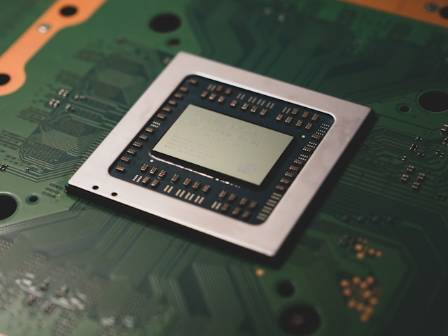
A microchip is a small piece of semiconductor material, typically made from silicon, that contains a dense network of electronic circuits. Within this structure are millions or even billions of tiny components—such as transistors, resistors, and capacitors—that regulate, store, and process electrical signals. Together, these elements enable the chip to perform specific functions.
The development of microchip technology has transformed industries worldwide, allowing devices to become smaller, faster, and more energy-efficient.
A History of Innovation
The origins of the microchip trace back to the late 1950s with the invention of the integrated circuit. This innovation made it possible to shrink bulky electronic components into much smaller forms.
As semiconductor technology progressed, microchips grew increasingly powerful, helping to drive the digital revolution. Following Moore’s Law, computing power has expanded rapidly over time, fueled by continuous advancements in chip design and manufacturing.
How Microchips Are Manufactured
Producing microchips is an extremely precise and complex process. It begins with a silicon wafer and involves multiple advanced techniques, including photolithography, doping, and etching, to form intricate circuit patterns.
These procedures take place in highly controlled cleanroom environments, where even microscopic particles can damage the chip.
Most modern chips rely on CMOS (complementary metal-oxide-semiconductor) technology:
Complementary: Two types of transistors work together in pairs, ensuring efficient operation. When one is active, the other is inactive, reducing energy consumption.
Metal-oxide-semiconductor: This refers to the transistor structure. The metal layer acts as a gate controlling current flow, the oxide layer serves as insulation, and the semiconductor (usually silicon) conducts electricity under specific conditions.

Microchips in Everyday Life
The widespread use of microchips is driven by ongoing improvements in semiconductor technology. These advancements have made chips increasingly powerful and efficient.
Microchips play a vital role in processing data in computers, managing smartphone functions, and controlling automotive systems. Beyond personal devices, they are essential in fields such as communications, healthcare, agriculture, transportation, logistics, and space exploration. Nearly every sector relies on microchips in some capacity.
The Future of Microchip Technology
Today’s chips are more advanced than ever, with emerging nanotechnology pushing the limits of performance and miniaturization.
Looking ahead, the next breakthroughs in microchip development could redefine computing and electronics once again. Questions remain about whether current technologies are nearing their limits or if new materials and innovative approaches will open the door to a new era in semiconductors.
At imec, cutting-edge facilities, global expertise, and strong collaborations with academic and industry partners are driving the next generation of microchip innovation and the transformative possibilities it will bring.
Nearby stops
 STOP
· en
How to Draw a Castle
Tristan Vale
 STOP
· en
Nine things you didn’t know about marmots
Julian Ford
 STOP
· en
Why Hobbit Homes Feel Magical
Percival Fairchild
 STOP
· en
The Wonderful Kumquat: A Unique Citrus Gem
Harper
 STOP
· en
Inside the World of the Red Fox
Calvin Rhodes
 STOP
· en
Top 10 facts about polar bears
Grayson Reed